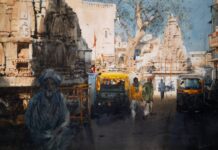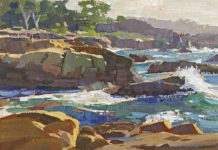

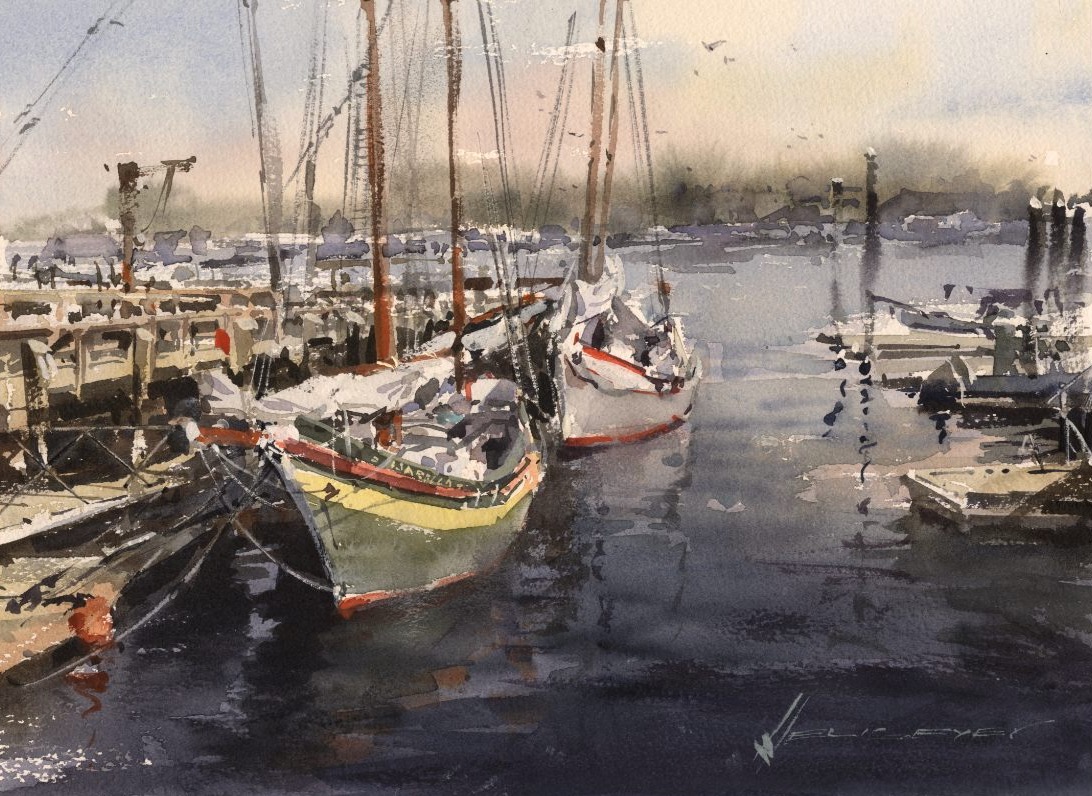
Vladislav Yeliseyev was 29 years old when he left the Soviet Union for the United States, carrying a classical art education and a longing for freedom he had felt since childhood. Growing up surrounded by propaganda, he had developed a sharp critical eye early — unable, even as a young man, to accept the limitations of the world he was living in.
“I truly believe an artist cannot be fully creative or reach their potential without being free — politically, spiritually, and personally,” Yeliseyev says. America represented that freedom long before he ever arrived. “From the moment I arrived, I never regretted my decision for a single second. I found everything I was searching for here — and even more.”
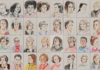
Plein air watercolor painting became one of the most meaningful ways he connected to his adopted country. Over the years, Yeliseyev has traveled extensively across the United States for plein air events, painting everything from rural horse farms to bustling downtowns to affluent neighborhoods. But what left the deepest impression wasn’t the landscapes themselves — it was the people.
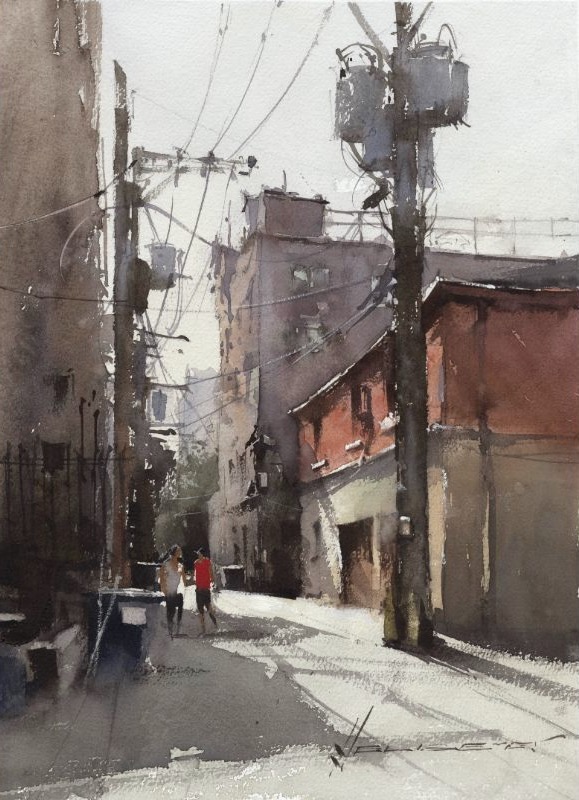
“Staying with host families during these events — and spending time talking with them — helped me understand Americans on a much deeper level,” he says. “I saw how people from all walks of life are united by their love for this country and their generosity toward guests.” That generosity often extended to local knowledge: favorite spots, hidden corners, the small details that revealed what a community valued most. “Their pride in their hometowns was contagious,” he recalls. “That personal connection allowed me to see each place through their eyes, which was a true gift when it came time to pick up my brushes and translate those feelings into watercolor.”
His Russian training continues to shape how he sees American scenes. Steeped in a tradition that emphasized craftsmanship and the inner spirit of a place, Yeliseyev believes that background gives him a particular clarity when painting his adopted country. “Perhaps coming from a different background is an advantage,” he says. “It allows me to see characteristic visual elements with fresh eyes.”
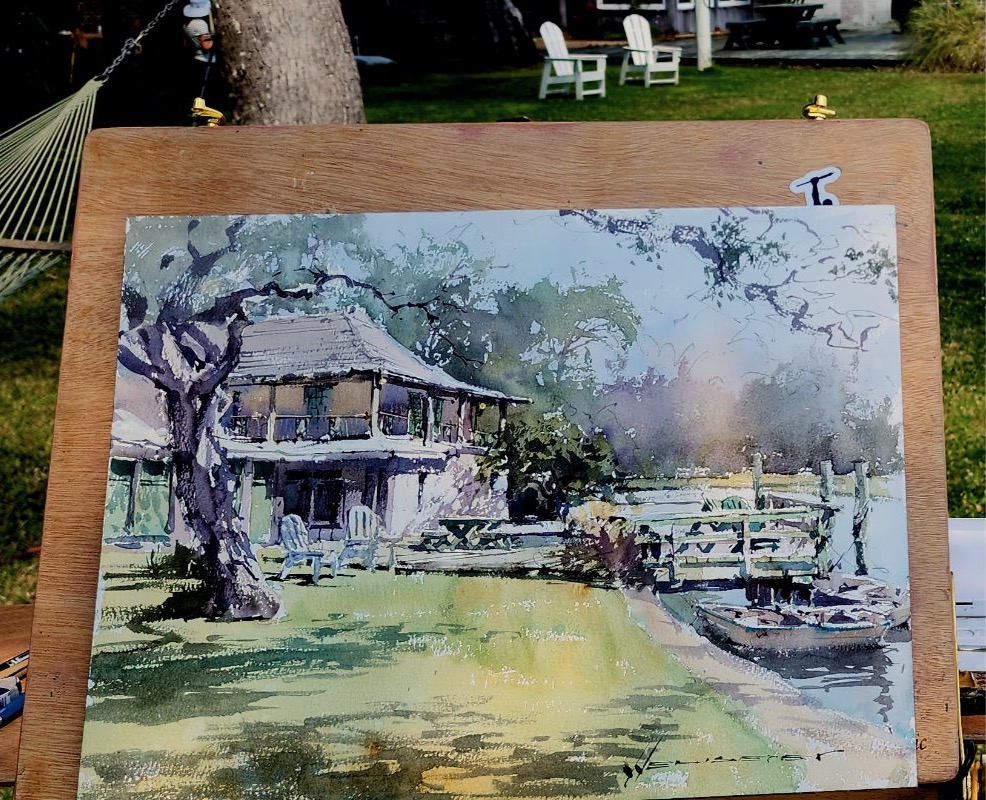
Asked whether his work might become part of a broader American story, Yeliseyev answers with both humility and conviction. “Every professional landscape painter brings a unique way of seeing,” he says. “With a lifetime of experience, it’s an artist’s responsibility to share that vision and make it accessible — especially for younger artists.”
As the nation marks its 250th anniversary, Yeliseyev hopes American art continues to prioritize depth over spectacle. “I would like to see less emphasis on sensationalism and more focus on work where form and substance exist in harmony,” he says. “If we can offer young people art that is meaningful and thoughtful, the future of the arts will have real meaning.”
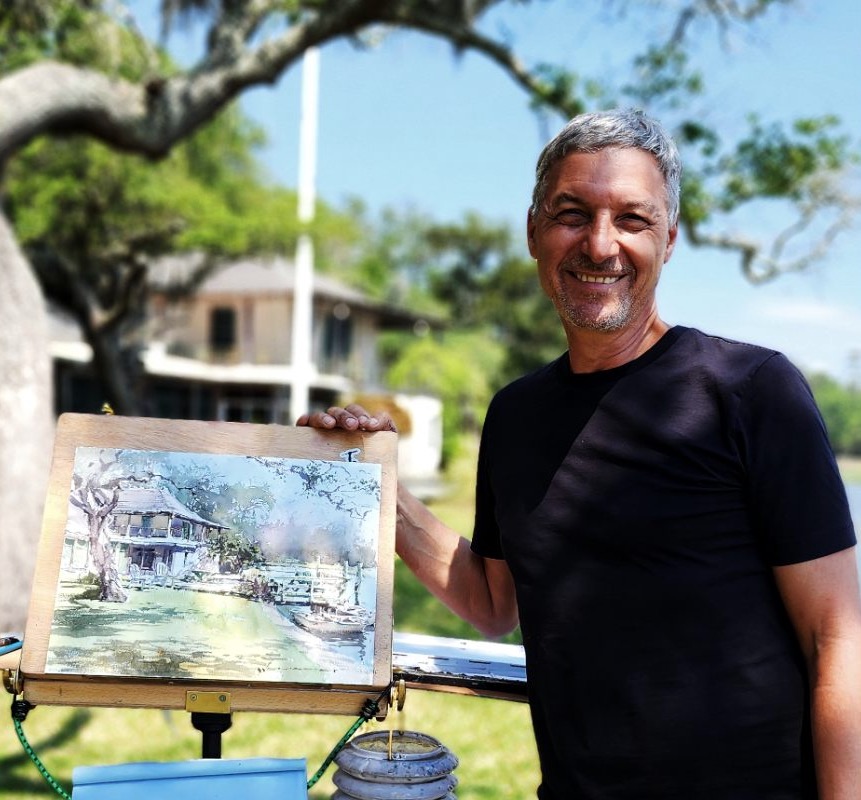
For Yeliseyev, painting America is, in the end, a simple act of gratitude. “It’s a way of honoring the freedoms, opportunities, and spirit that shaped my life.”