
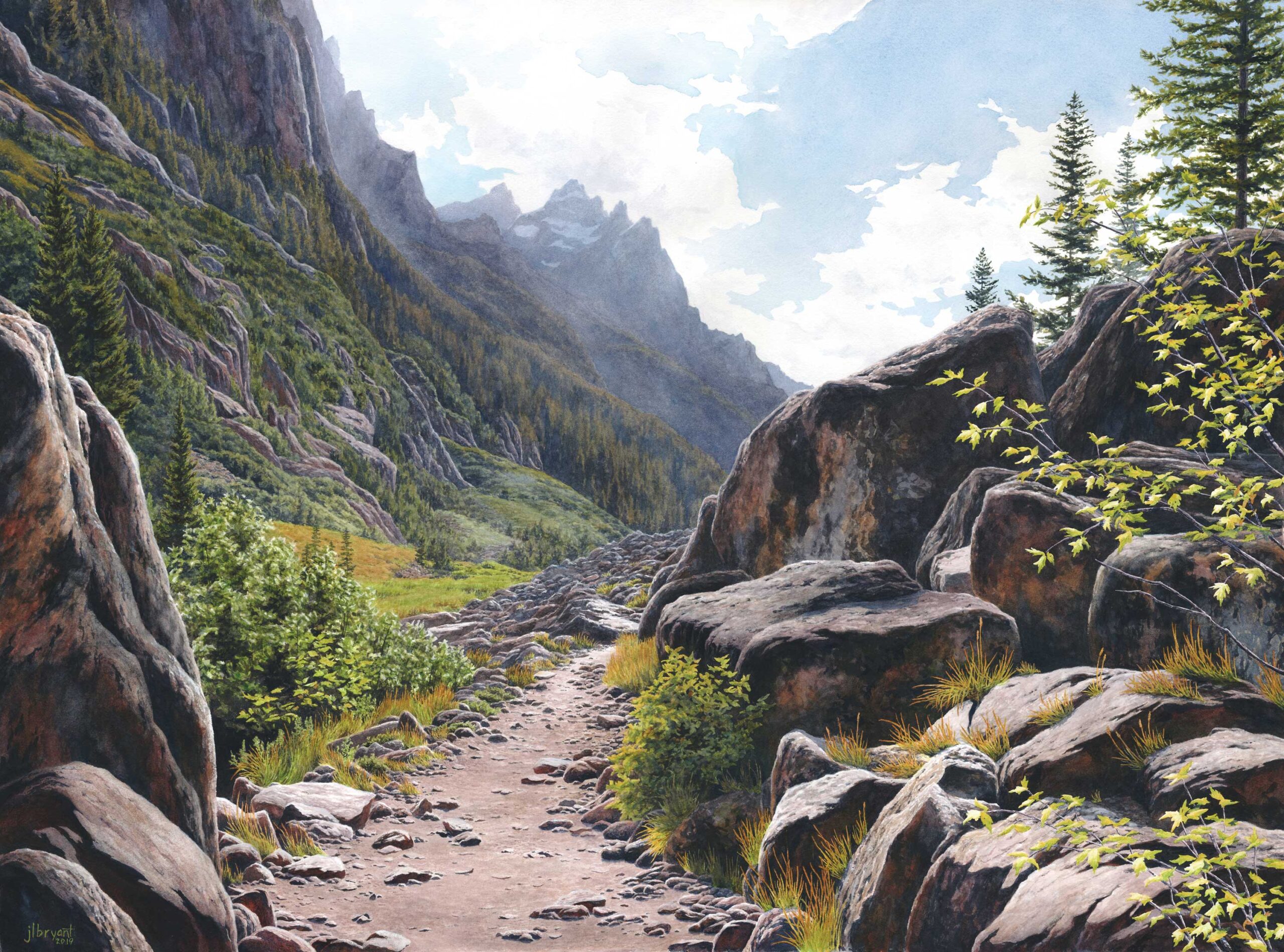
For landscape painters, nature isn’t just a subject. It’s a sanctuary. But this Earth Day, it’s worth asking an honest question: does our presence in these places help them — or hurt them?
The uncomfortable truth is that some of the most spectacular views in our national and state parks are being loved to death. Trails widen and erode, visitors wander off path, and careless behavior accumulates — visit after visit, season after season. According to the National Park Service, our parks receive more than 300 million visits per year. The math isn’t kind to fragile ecosystems.
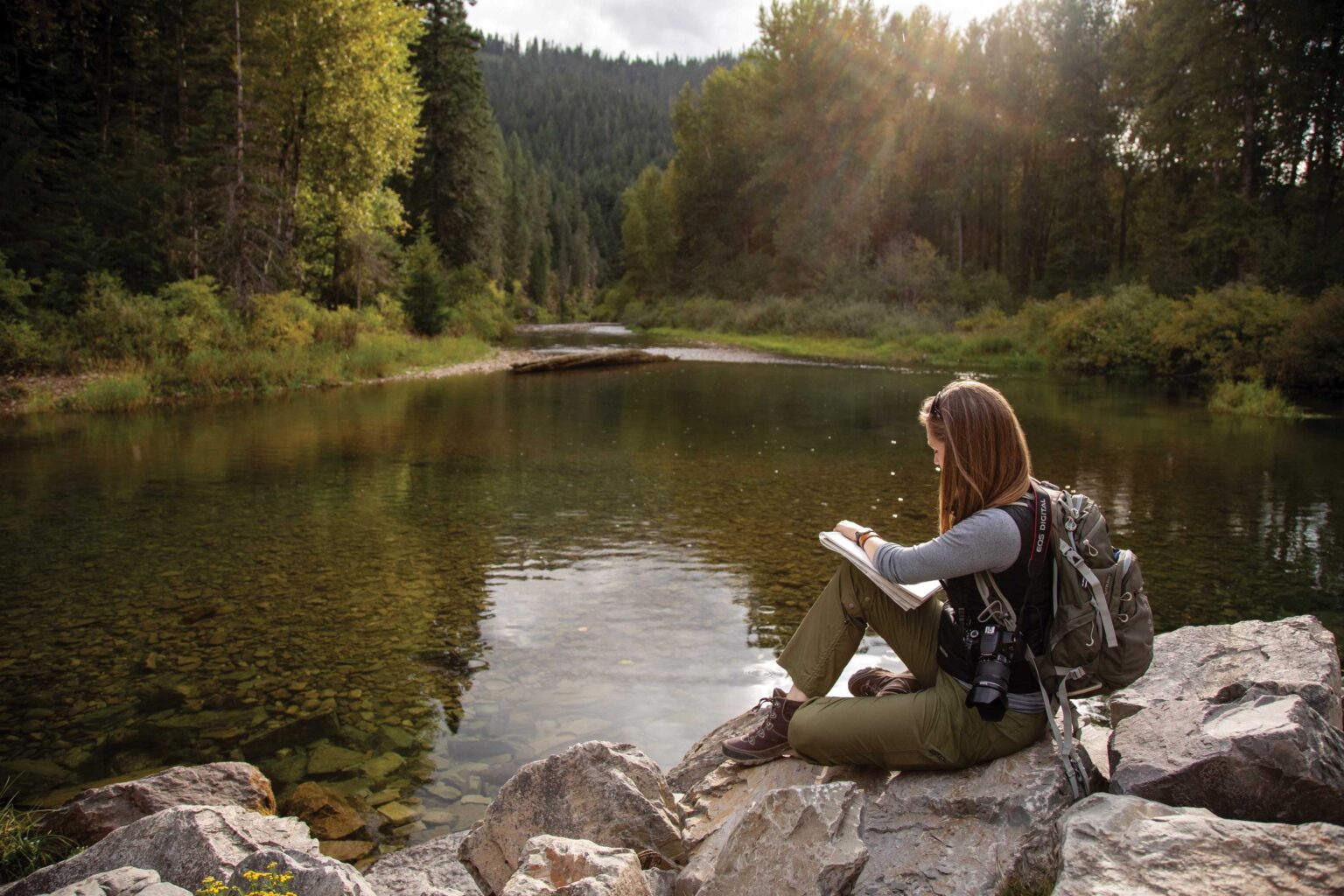
Idaho watercolorist Jessica L. Bryant has seen the damage firsthand. “Because there are so many people going out and enjoying the outdoors, you can find human impact anywhere you go,” she says. “In Joshua Tree National Park, people were taking down gates and driving across what was a preserved and intact ecosystem. In a park near me, I come across campsites littered with toilet paper, Red Bull cans, and used shotgun shells.”
The “I’m Just a Painter” Trap
It’s tempting for plein air watercolorists to see themselves as somewhat exempt from strict environmental rules. After all, we’re out there capturing these landscapes, fostering love and appreciation for places that might otherwise go unnoticed. How much damage can a painter with an easel really do?
More than you might think.
“You are not the only one who is doing it,” says Jim Ekins, Associate Extension Professor and Area Water Educator for the University of Idaho. “There are also writers, photographers, park rangers, researchers — it’s more than just a few artists. Your little bit of impact accumulates pretty quickly.”

The ecosystems that look the most rugged are often the most vulnerable. Alpine plants, for instance, may appear tough — they survive punishing wind, cold, and snow — but that same harsh climate keeps most visitors away, leaving them with little resilience to human traffic. “Just 20 footsteps will kill a lot of alpine plants,” Ekins says. “If you must go to that one spot for that one particular angle, be cognizant of your impact. You may need to take a photo from your exact spot and do the painting from a nearby trail.”
Desert landscapes present their own hidden fragility. “You may be in a barren area and think you can’t do any damage to a bunch of sand,” says Bryant, “but in the desert, the top of the soil is covered with a cryptobiotic soil crust — a living thing that keeps the soil intact and reduces erosion from wind and water.” Ekins adds the sobering detail: “It’s going to take a century before that crust grows back if you disturb it.”
What Watercolorists Specifically Need to Know
Here’s one that catches many watercolorists off guard: don’t dump your brush water on the ground.
“Yes, it’s water, but there are pigments in it,” Ekins points out. “Cadmium is a heavy metal and one of the big pollutants coming out of our mines here in Idaho. It will bind to the soil and it doesn’t go away. If it got into a water supply or stream, it could sit at the bottom of a lake for a long time.” The solution is simple: pack a small, sealable container and carry your used paint water out with you.
Before painting in any new location, take 10 minutes to stop by the welcome center or speak with a park ranger. Understand what makes that particular ecosystem fragile — and don’t trust your eyes to tell you. Best practices vary by location: some parks urge visitors to walk single file on trails; others recommend spreading out. A quick conversation can make the difference.
You’re Being Watched — in the Best Possible Way
Perhaps the most powerful thing a responsible painter can do is simply be aware that others are watching. As Bryant puts it, when it comes to humans, it’s often “monkey see, monkey do.”
“If they see a painter set up somewhere, it trains them to think that’s a place to do things,” she explains. “I know that people hiking will see me, and that is going to be a subconscious visual cue to what is acceptable. So I find durable surfaces upon which to set up. I don’t stop on plant-covered, stressed areas. I look for rocks.”
That instinct — to let your choices model the right behavior for others — is perhaps the most fitting Earth Day reminder of all. Landscape painters have always understood that nature deserves to be celebrated. This Earth Day, let’s make sure it also deserves to be protected.
Best practices vary by park and region. Before your next painting trip, visit the National Park Service website or stop by your local park’s welcome center for location-specific guidelines.