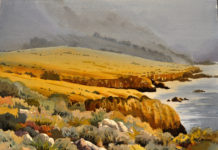

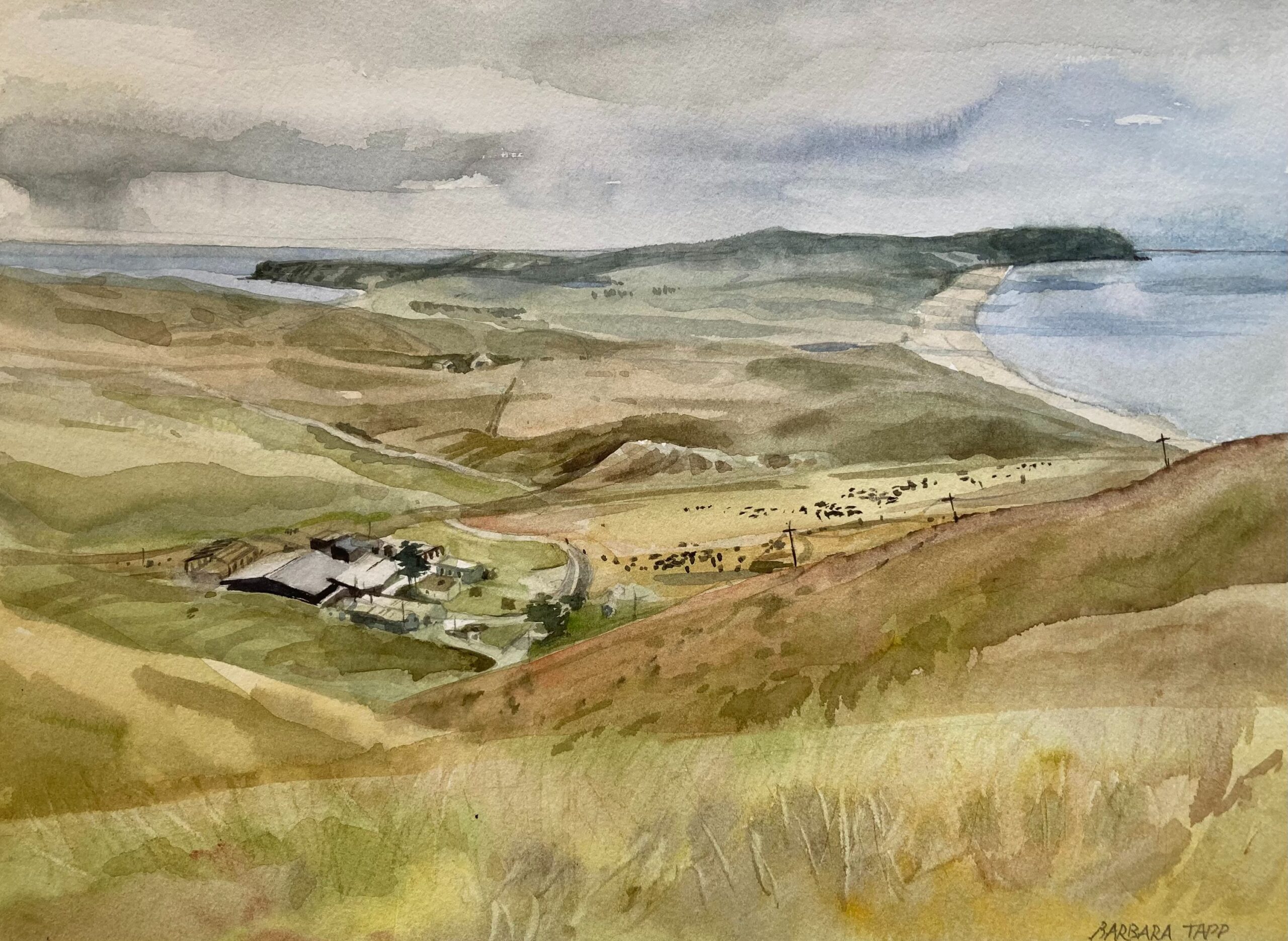
For Barbara Tapp, it started with the drive — an hour in her 1970 MG sports car, winding toward the coast, en route to Point Reyes National Seashore. She had been making that drive for years, returning again and again to the same beloved landscape north of San Francisco, each visit yielding something new, each painting a fresh attempt to do justice to a place that continued to surprise her.
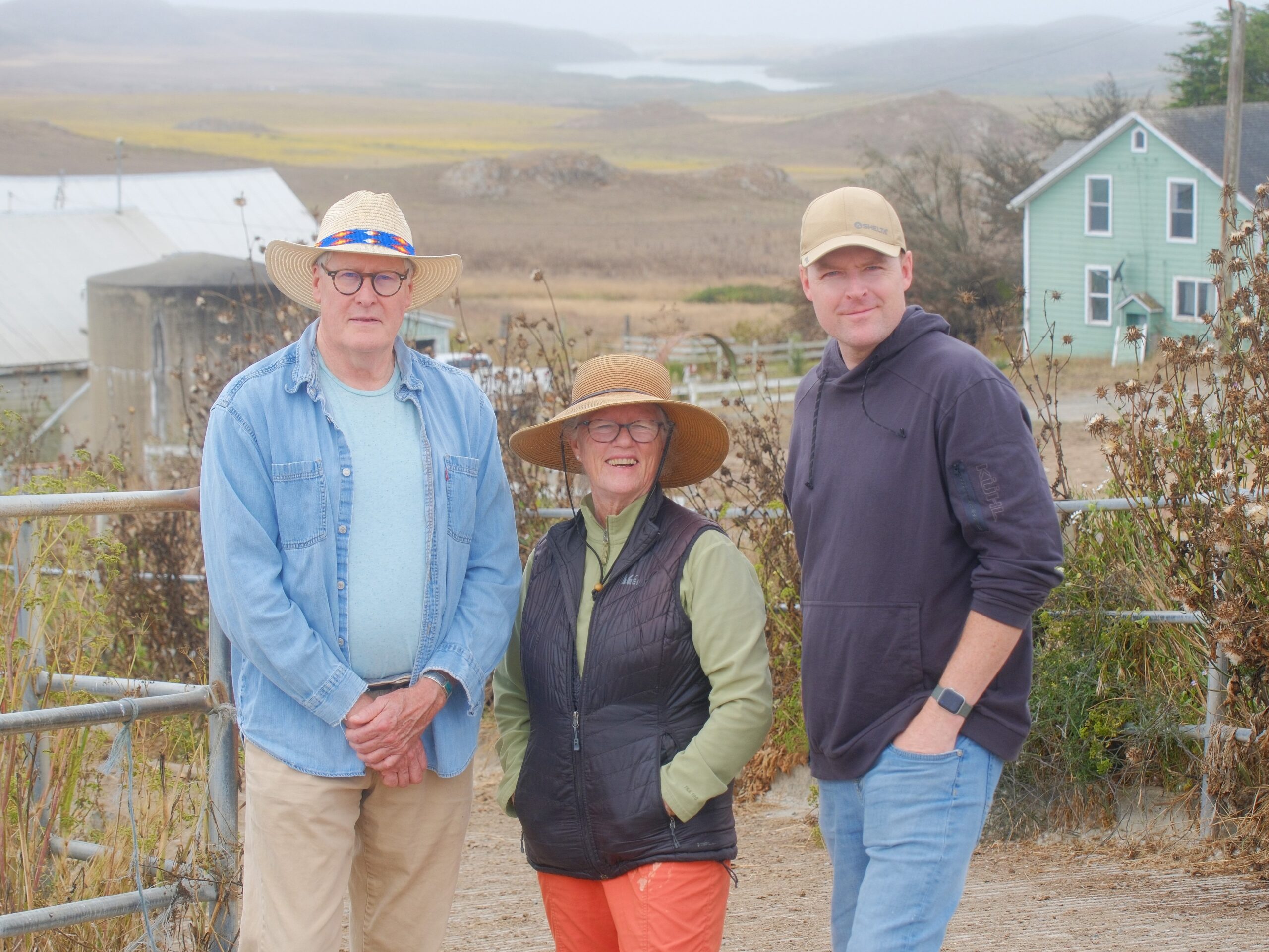
So when fellow artist Clark Mitchell suggested they mount a show together at Toby’s Feed Barn, a beloved local general store and gallery, Tapp didn’t hesitate. The pair would be joined by oil painter Dan Rogers, and the three agreed: each would interpret the landscape through their own medium and sensibility. What none of them knew yet was that the land itself was about to change forever.
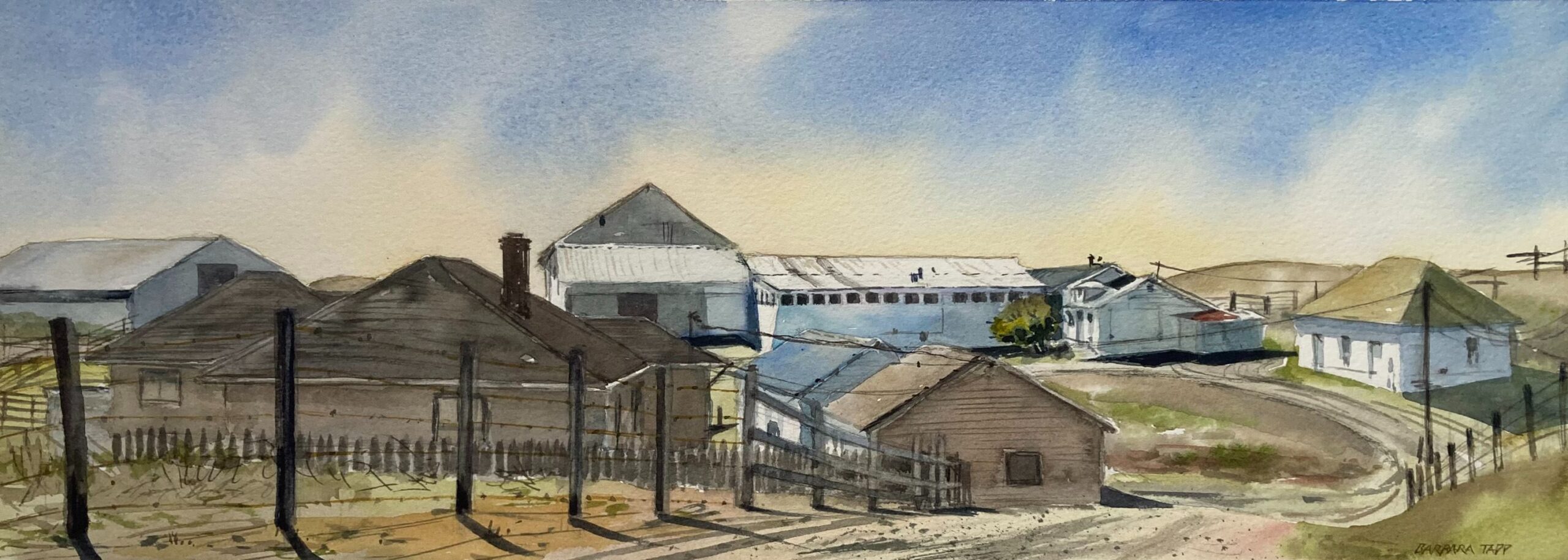
During her early visits to prepare for the September 2025 show, Tapp learned that 11 multi-generational ranching families had just agreed to retire their government leases, returning 28,000 acres to conservation. The deadline to vacate was April 2026 — just months after the show would open. “We had this opportunity to paint the moment before it all disappeared,” she says. What had begun as a celebration of a beloved place became something far more urgent: a document of a disappearing way of life.
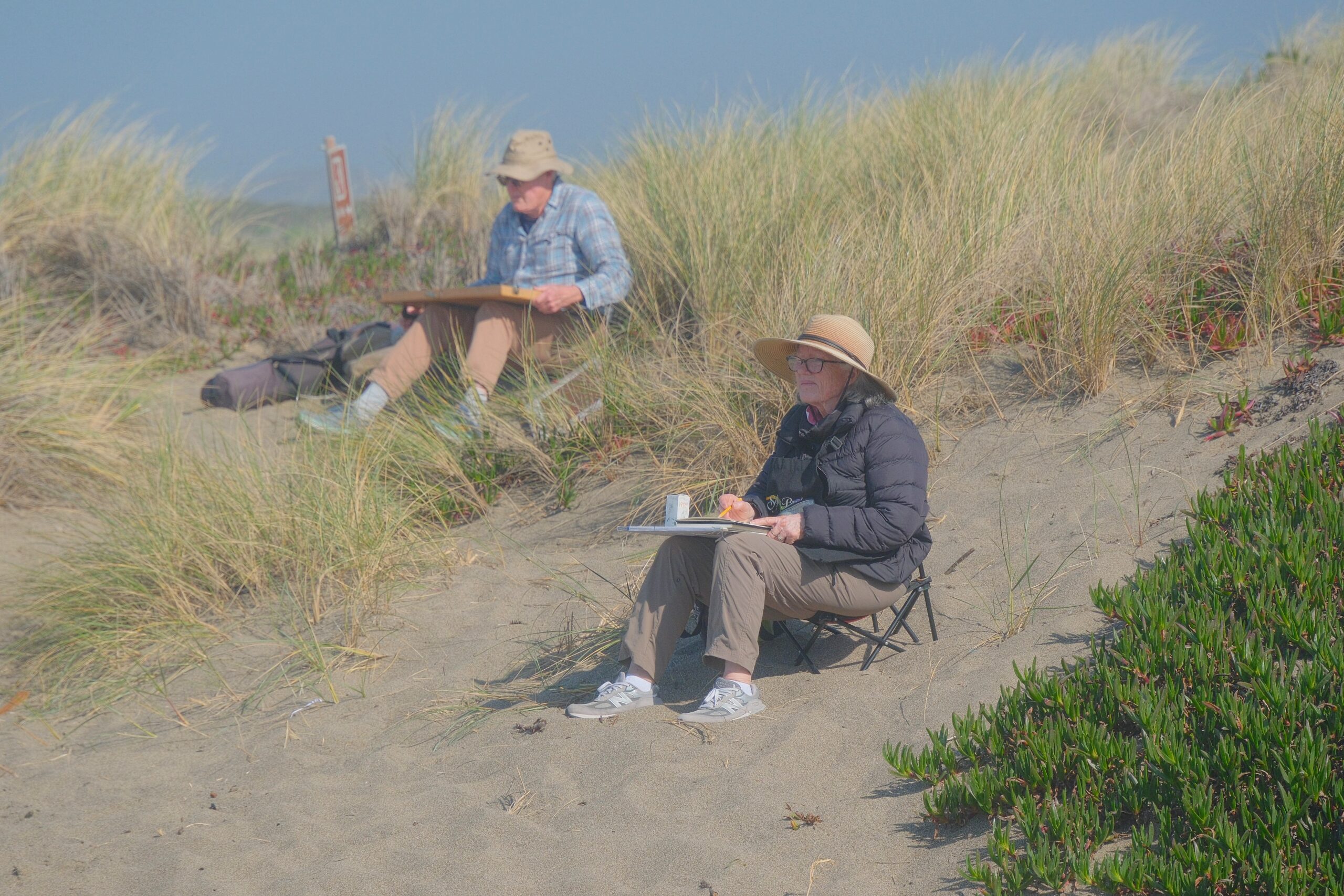
Rather than seeking formal introductions to the ranching families, Tapp took a deliberately organic approach — preferring chance encounters over arranged visits. “As a plein air painter, I am a witness to time,” she says. Over the course of four or five hours a day, for many days, she became familiar with the rhythms of ranch life — the cows walking their worn paths to be milked twice a day, the hum of milking machinery, the sound of crows, the smell of wet hay.
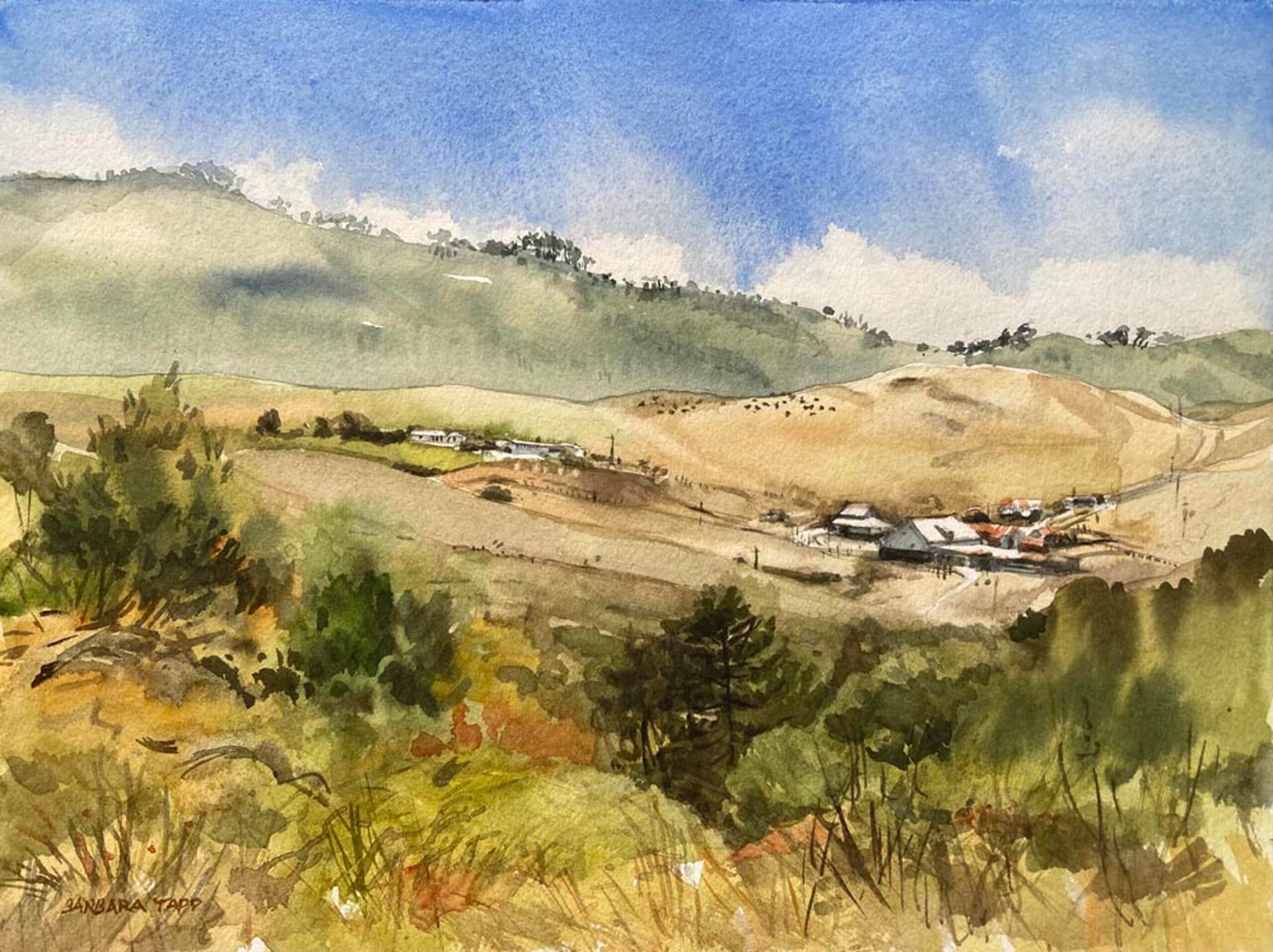
One afternoon, while quietly studying a two-story Spanish revival house and its surrounding dairy barns, she was approached by a young rancher named Ernie. He gave her permission to paint and offered something more valuable still: an insider’s understanding of the life of the place. He drove her up through steep terrain to show her his favorite view — one she would eventually paint — and introduced her to his great-grandmother Betty, who still lived on the property. Tapp soon found herself sitting at the matriarch’s kitchen table, surrounded by moving boxes, talking “just like I was coming in for a cup of tea.”
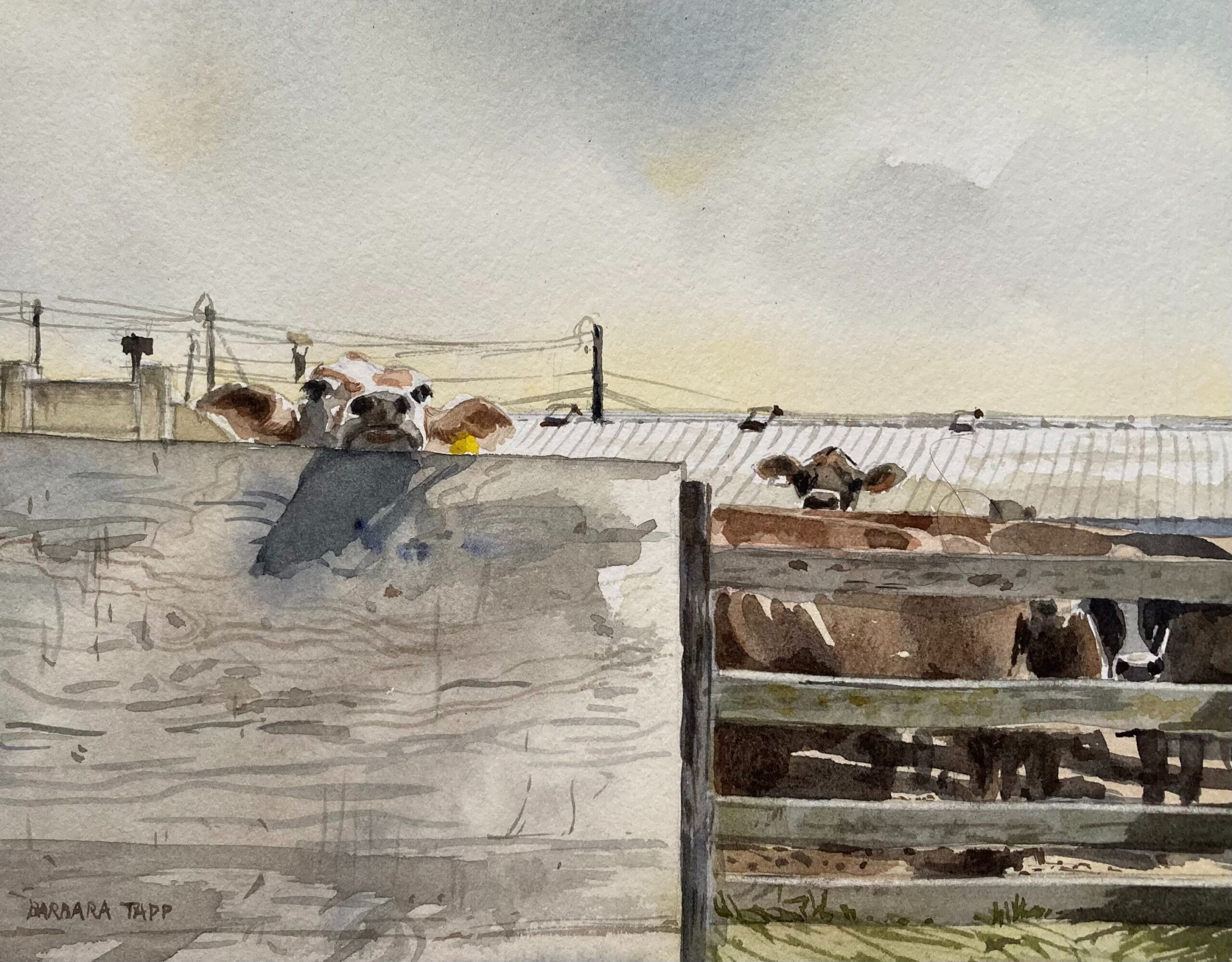
The ranching families came to the show. And for many, the paintings were more than beautiful works of art — they were recognition, and an unexpected act of love. Tapp had quietly gifted 15 pieces to the ranchers, each one a portrait of the land they had called home. “You’ve been a beacon of light amidst all this sadness of us giving up,” one recipient told her through tears.
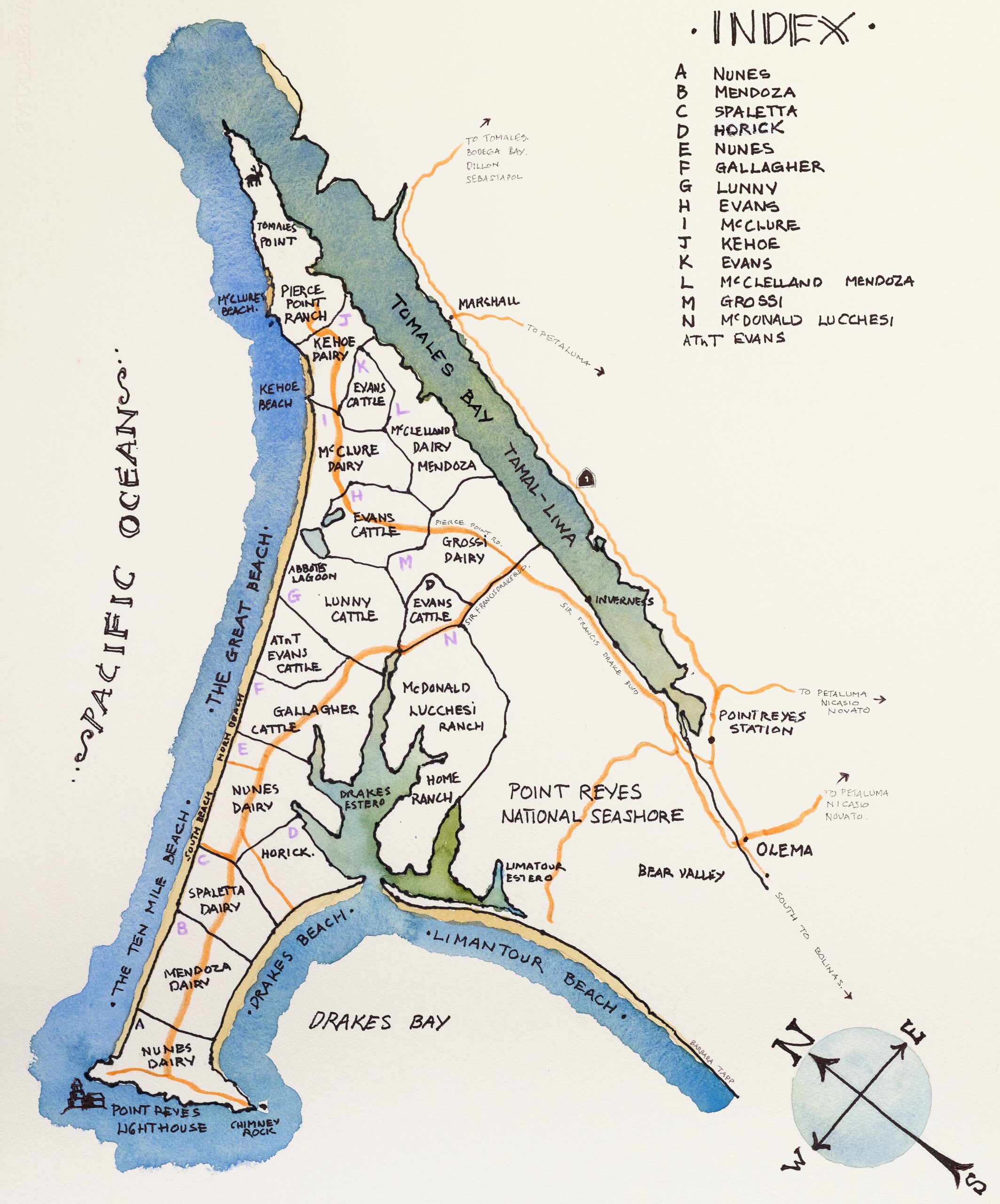
The exhibition is over, but for Tapp, the story continues. The land is already changing — plants pushing up where cattle once grazed, a well-traveled road reclaimed by nature entirely. She is working on three commissioned paintings of Ernie’s former ranch for his three daughters, and assembling a Shutterfly book to honor the full arc of the experience. Point Reyes, she says, is her “permanent place to go.”
“I won’t get to the end of the story,” she says, “because the story is still unfolding.”
Want to paint with the same depth of feeling and attention that Barbara Tapp brought to Point Reyes? Her video workshop, The Barbara Tapp Watercolor Method, is available now at PaintTube.tv — and it’s the closest thing to having her beside you at the easel.