

When time is of the essence and your access to supplies is limited, you have to be prepared to make the most of what you have. Plein air watercolor painter Frank Costantino offers his best advice for how to handle just about any outdoor painting situation.
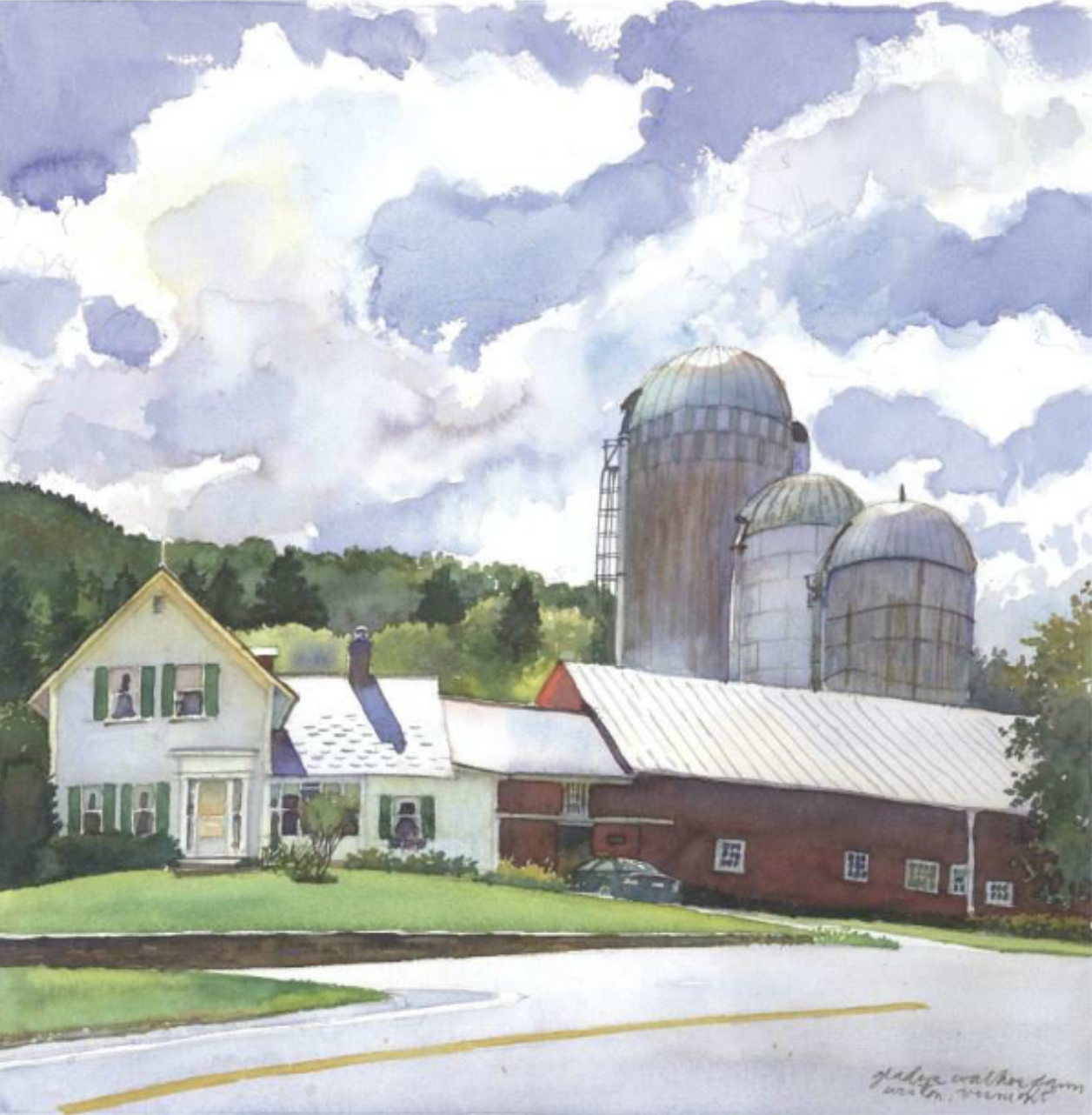
1. Choose Your Subject with Intention
“The creative work really happens before brushes are taken to canvas or paper.” Before painting, train your eye to narrow the world around you into a single, meaningful view. Use what the artist calls an “instinctive visual ability” to focus your attention and find a composition worthy of your effort.
2. Know What You Want to Paint
Quoting Robert Henri, the artist reminds us that, “If one knows what to paint, one could paint it easily.” That clarity of purpose is essential. A painting begins not with color or brushwork, but with a decision about what truly compels you.
3. Let Composition Emerge Naturally
Once you’ve chosen your subject, trust your instincts. “Because the artist is so deeply engaged in capturing a vision, the compositional decisions are second nature.” Think about proportion, arrangement, and focus — but don’t overanalyze. Let your familiarity with your subject guide you.
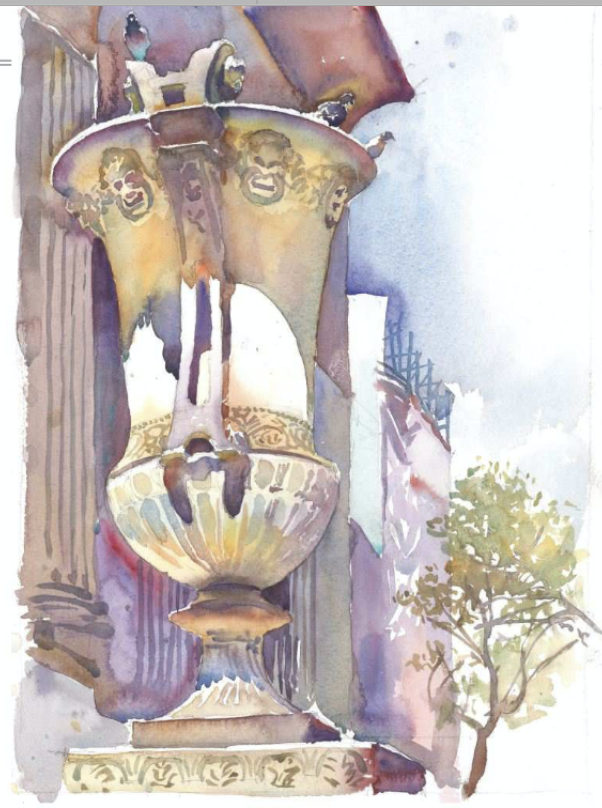
4. Work with Energy — Then Stop
As Charles Movalli advised, “It can’t look like you’ve worked hard and long, even if you have. A painting should be done quickly with both your intellect and your nerves. When they give out, stop.” Speed and spontaneity often capture the truth of the moment better than overworking.
5. Embrace the Challenges of the Outdoors
The artist notes, “Being out-of-doors, influenced by the changeable environment, one’s own skills with a chosen medium and, during an event, time constraints as well,” makes plein air painting uniquely demanding — but also deeply rewarding. Adapt to shifting light, weather, and conditions with flexibility and focus.
6. Work Efficiently with Your Materials
With decades of experience as an architectural illustrator, the artist prefers “the slick surface of hot press papers for my watercolors” and chooses a painting scale “that requires efficient techniques for completing the works.” Select materials that suit your style and help you move with speed and confidence.
7. Accept the Unexpected
“The aesthetic results may or may not come close to my artist’s intent, but the work will take on a life of its own.” Once you begin, let the painting evolve naturally. Each brushstroke becomes a record not just of what you see, but what you experience.
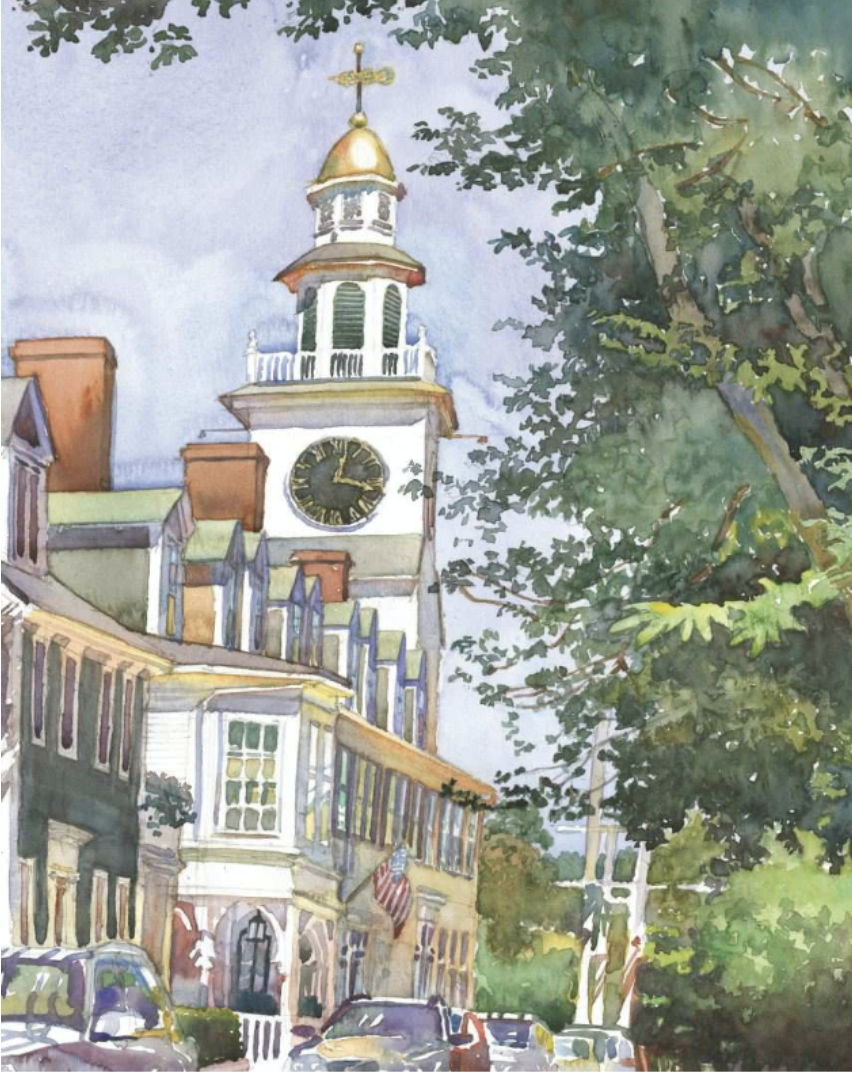
8. Lose Yourself in the Process
“It’s a zen sensibility, when being so intent on the work, the artist becomes one with the subject.” That state of flow — when thought and action merge — is what gives plein air paintings their immediacy and power.
9. Keep Doing the Work
“The mastery of an artist derives from the ten thousand repetitive steps and the continued doing of the work.” Growth comes through persistence, not perfection. Each outing builds skill, confidence, and connection to the landscape.
10. Remember Why You Paint
As the artist concludes, “It’s compelling, energizing, fulfilling, and limitless.” And quoting Akira Kurosawa: “It’s wonderful to create.” Plein air painting is both a discipline and a joy — a way of seeing the world more deeply, one brushstroke at a time.
Join watercolor artists Keiko Tanabe and Yong Hong Zhong, and other top plein air artists from around the world at Plein Air Live, November 6-8, 2025, as they reveal the techniques that will help you improve your use of color, light and shadow — giving you the confidence and skills to paint outdoors!


The sun moves east to west. And, most smart phones include a compass. With a little practice, you’ll always know where the light on the scene will be and where the shade will be.