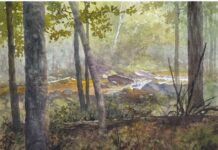

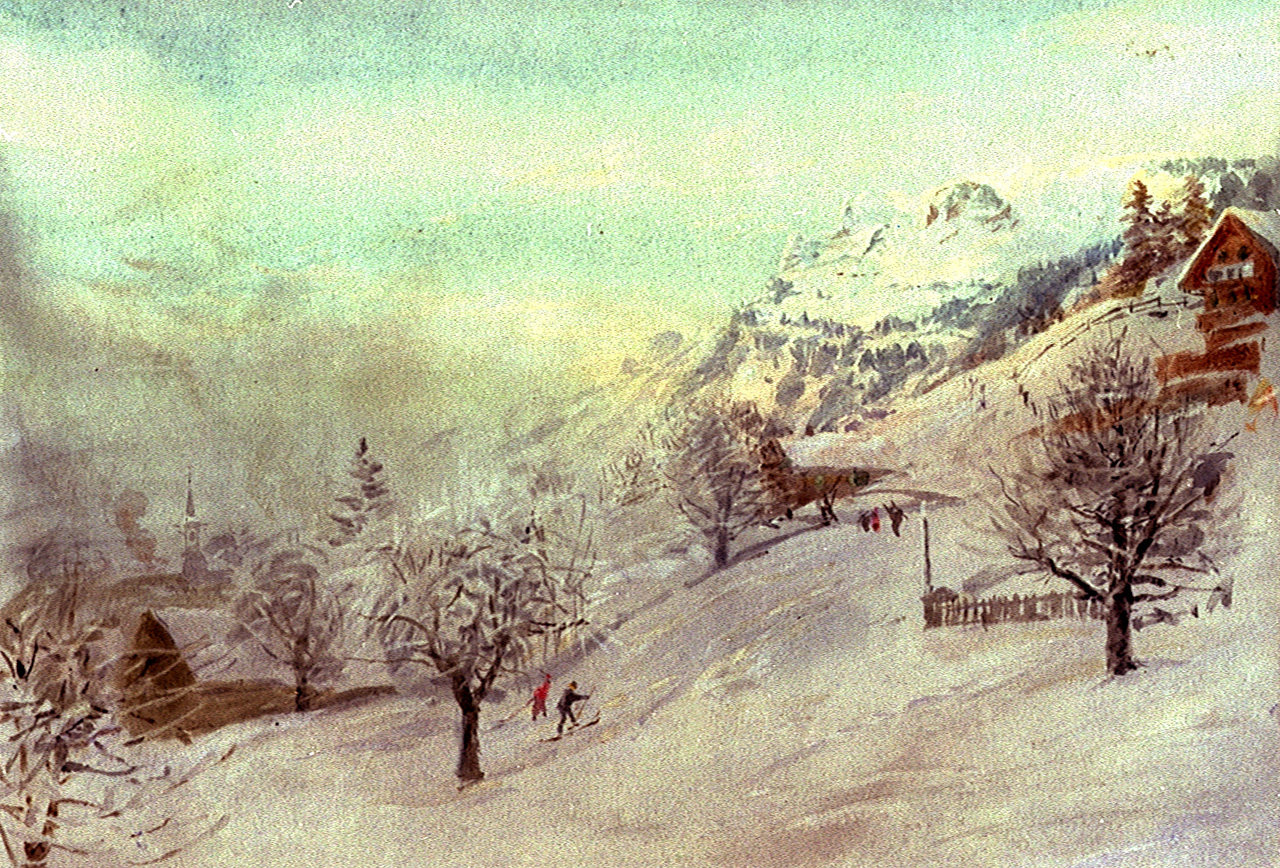
William Lionel Wyllie (English, 1851-1931)
c. 1920s, watercolor on paper, 8 1/2 x 12 1/2 in.
Royal Museums Greenwich Fine Art
Long before figure skaters, bobsledders, or downhill skiers ever lined up at the starting gate, watercolor artists were capturing the energy of winter’s playfields — from frozen canals to alpine slopes. As the world turns its gaze to the 2026 Winter Olympics, painters find fresh inspiration in the drama of snow, ice, and sport.
Masters of Snow and Ice
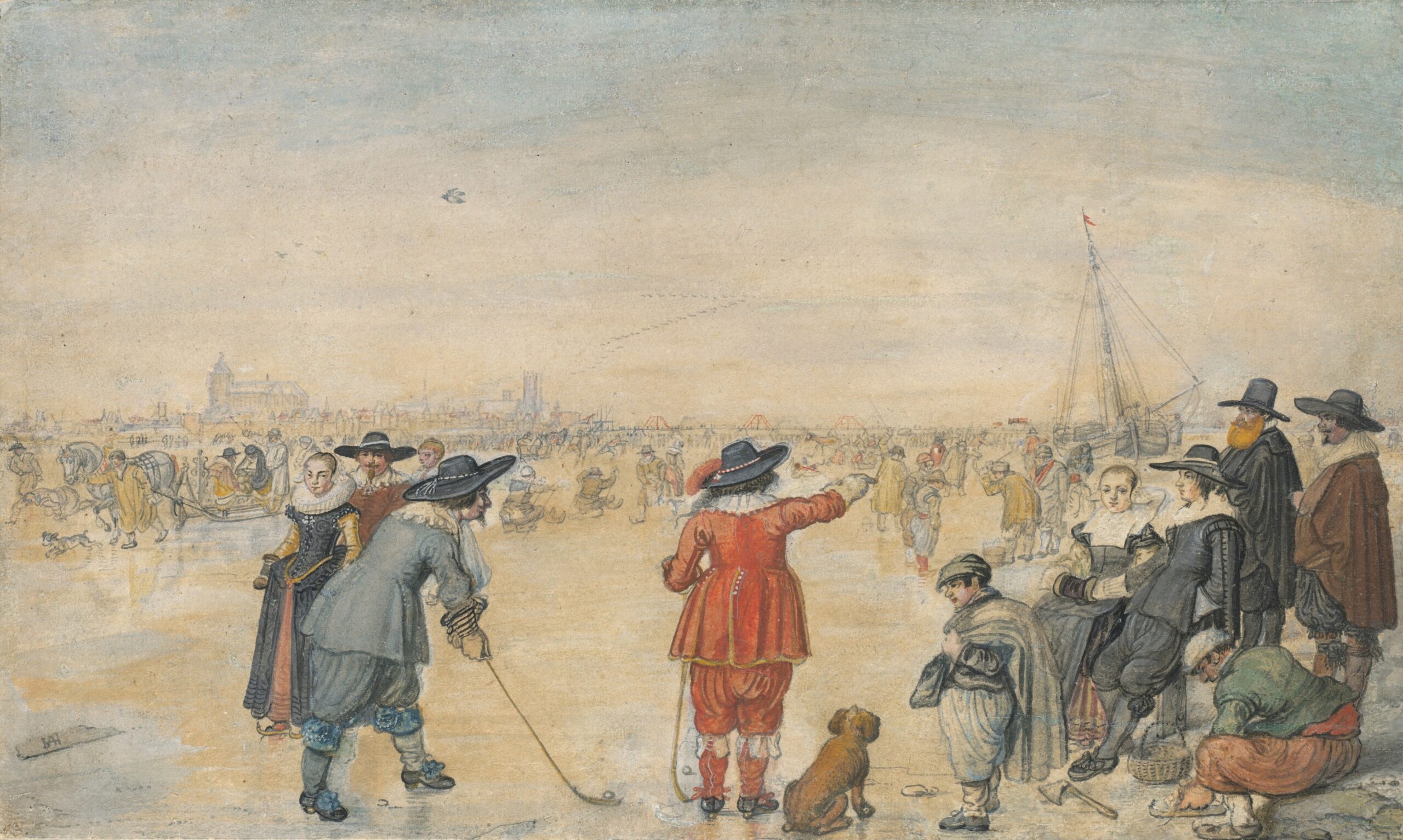
Hendrick Avercamp (Dutch, 1585 – 1634)
c. 1626, pen and black and gray ink with watercolor, gouache, and graphite on laid paper, 7 13/16 x 13 1/16 in.
National Gallery of Art
Woodner Collection, Gift of Andrea Woodner
In the early 17th century, Hendrick Avercamp set a precedent for winter sport imagery in his lively depictions of Dutch ice skating scenes. With sharp attention to crowd dynamics and the frozen surface, Avercamp’s work portrays a world delighting in movement on ice, turning cold weather into a vibrant social stage.
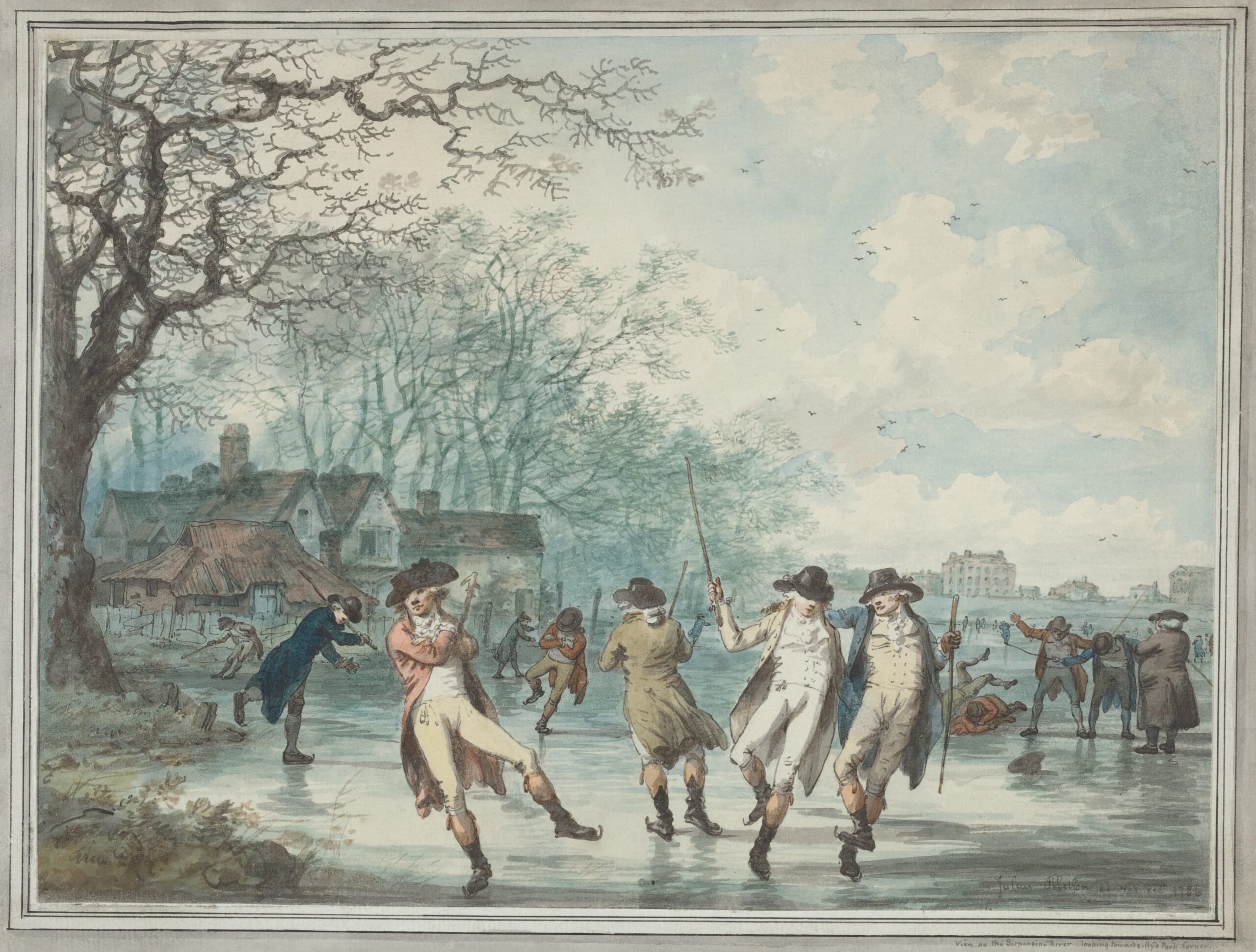
Julius Caesar Ibbetson (British, 1759 – 1817)
1786, pen and black ink and watercolor on laid paper, 8 3/4 x 11 7/8 in.
National Gallery of Art
Gift of Paul Mellon
Nearly two centuries later, Julius Caesar Ibbetson carried that legacy into the English landscape, portraying winter hunts, sleigh parties, and snowbound countryside with a deft eye for color and mood. His watercolor studies of glistening frost and bundled figures echo the thrill of winter activity.
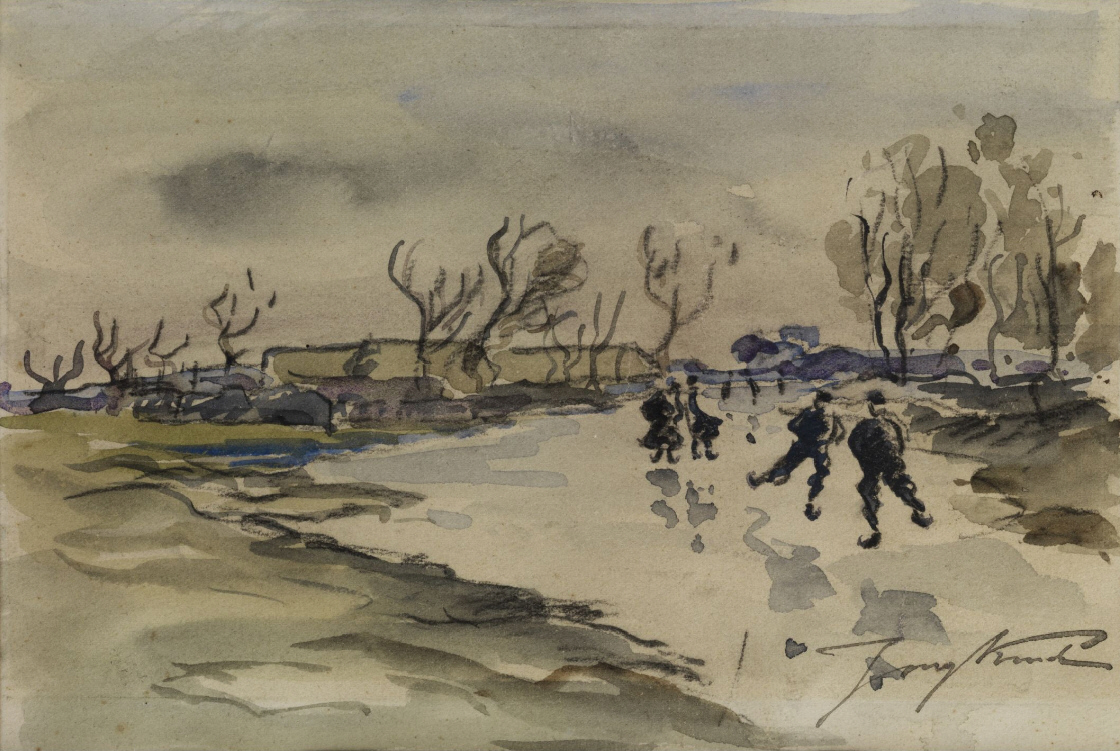
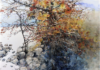
Johan Barthold Jongkind (Dutch, 1819-1891)
n.d., watercolor and gouache on cardboard, 5 x 8 1/4 in.
Rijksmuseum
The 19th-century Dutch master Johan Barthold Jongkind, known for his atmospheric landscapes, often rendered rivers and snowfields that echo the tension between stillness and motion.
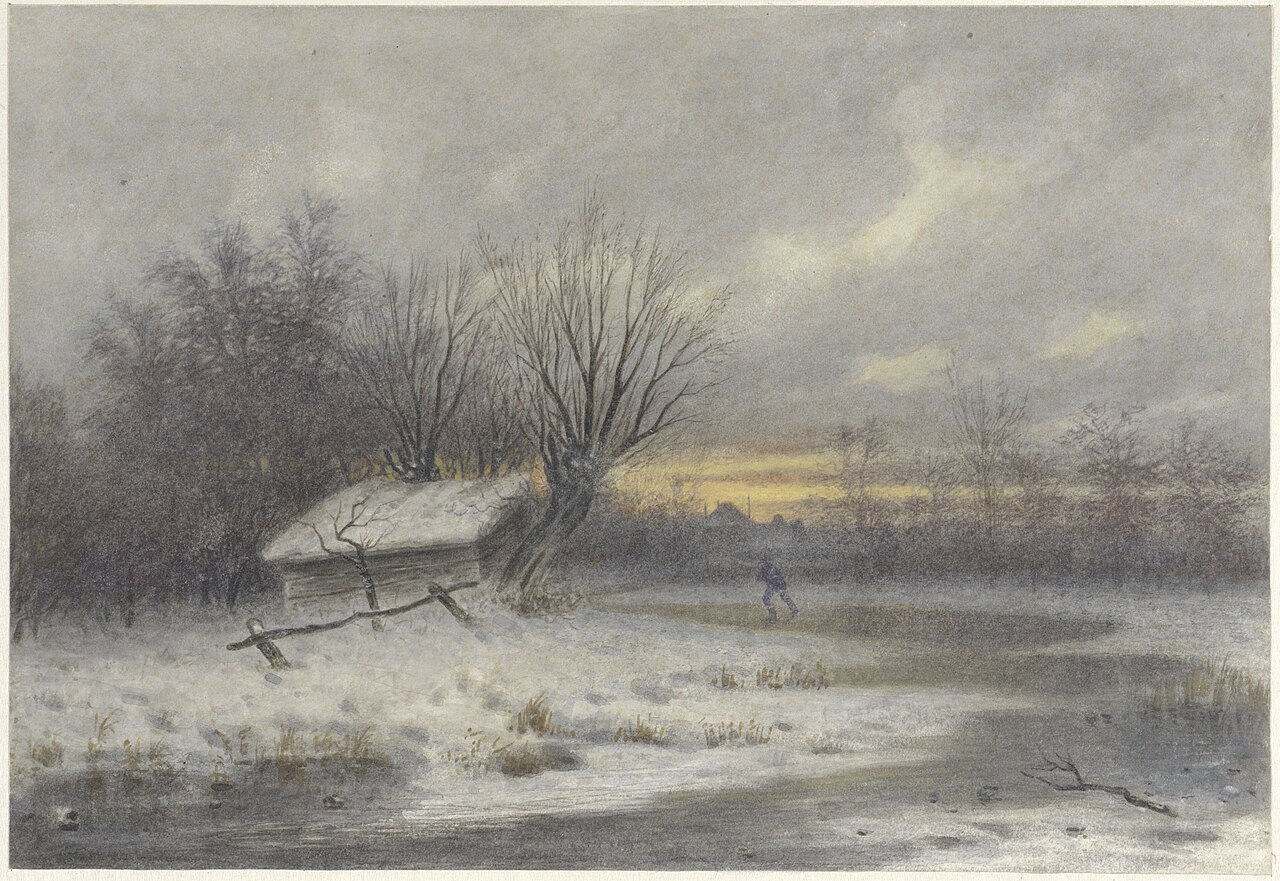
Johannes Engel Masurel (Dutch, 1826-1915)
n.d., graphite and watercolor on paper, 9 x 13 in.
Rijksmuseum
Similarly, Johannes Engel Masurel and Carl Larsson explored winter’s quiet intensity in watercolors that emphasize the interplay of light, shade, and human activity. Larsson’s snowy village scenes in particular resonate with the communal spirit behind winter competition.
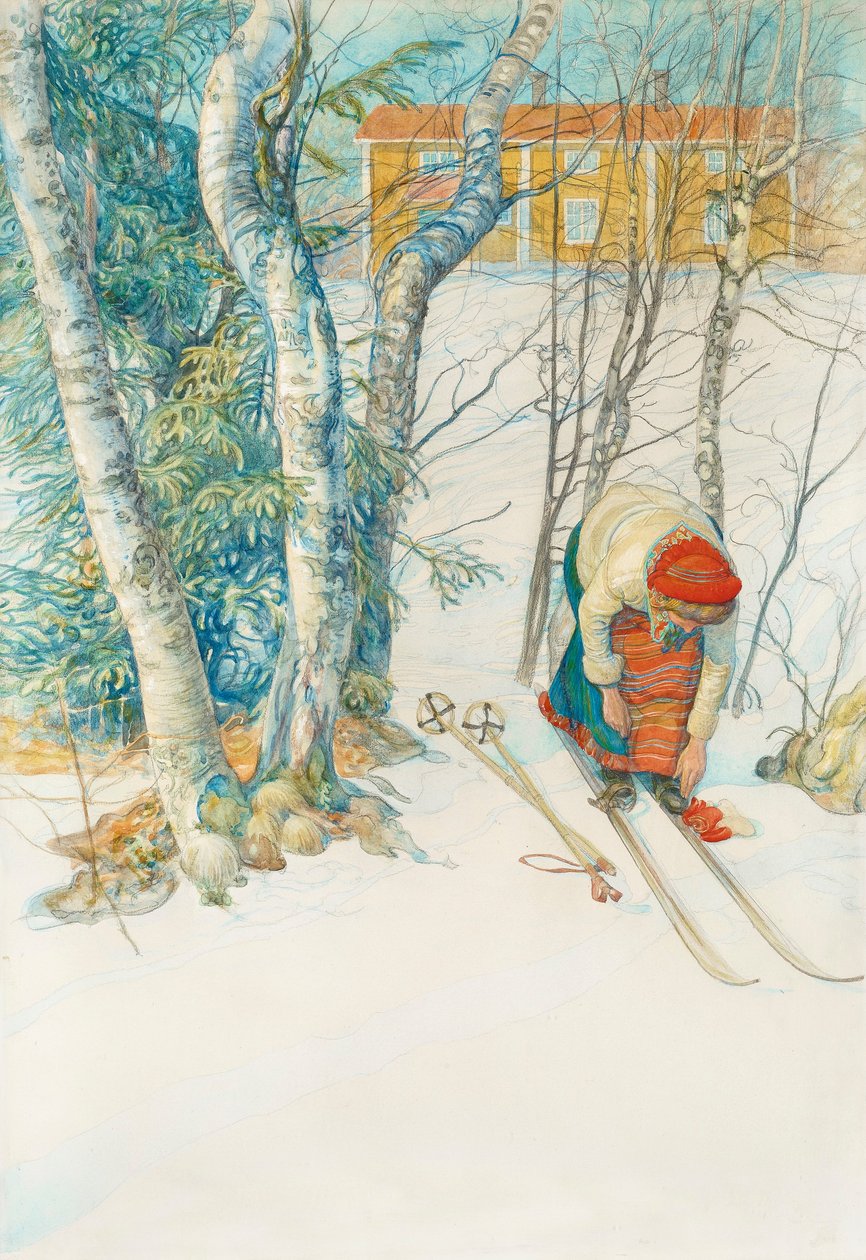
Carl Larsson (Swedish, 1853–1919)
1911, watercolor on paper, 29 x 20 1/2 in.
Private collection
More recent painters like Nico Jungman and William Lionel Wyllie have explored seaside and winter atmospheres with a modern sensibility, attuned to motion, reflexivity, and environment.
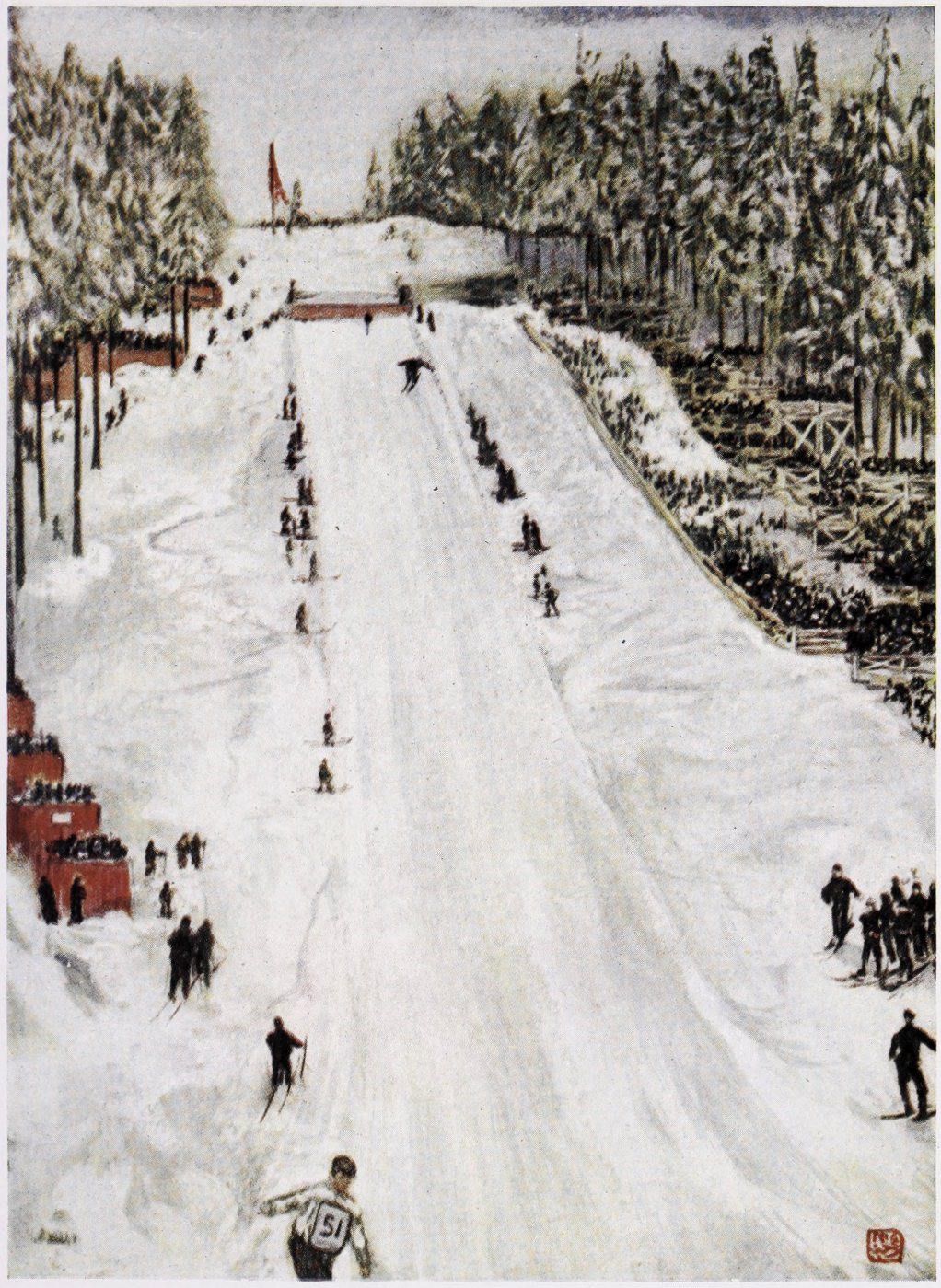
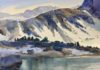
Nico Jungman (Anglo-Dutch, 1872–1935)
1905, watercolor on paper
Published in Norway, a travel book with text by his wife Beatrix Jungman, A. & C. Black, London, April 1905
As we celebrate athletic excellence on ice and snow with this year’s Olympians, these watercolor paintings remind us that winter sport has always been a muse.