
“You will see, in the future I will live by my watercolors.”
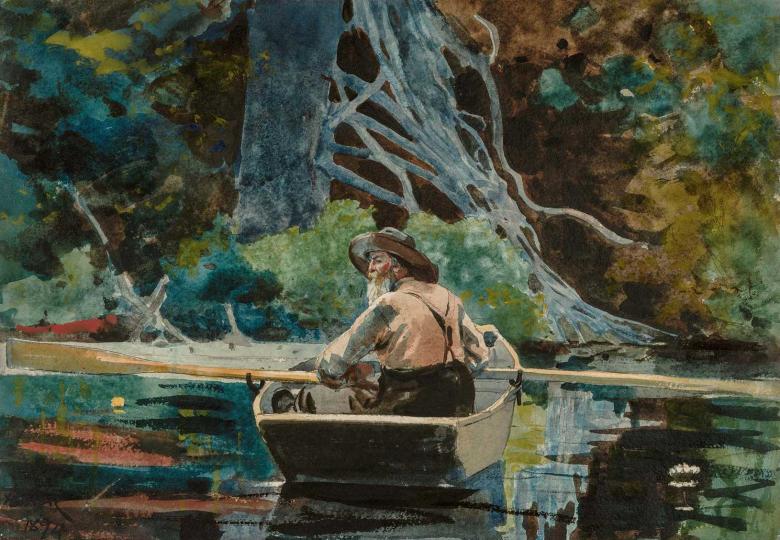
When Winslow Homer made this bold prediction, watercolor was still considered a secondary medium — useful for studies, travel sketches, or amateur pursuits, but hardly the foundation of a great American career. Yet Homer saw something different. He understood that watercolor’s speed, transparency, and immediacy could reveal truths oil paint could never touch: the flash of light on a breaking wave, the breath between storm and calm, the quickened pulse of a world in motion.
He proved himself right.
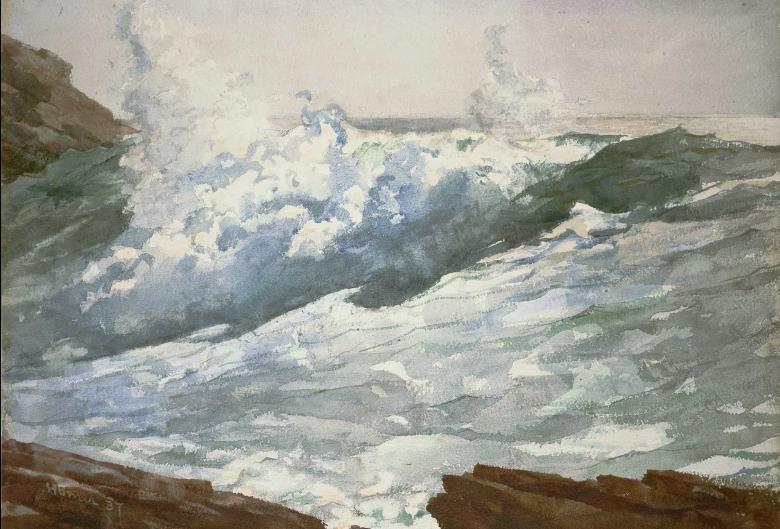
And now, for the first time in nearly 50 years, the full scope of that declaration comes to life again.
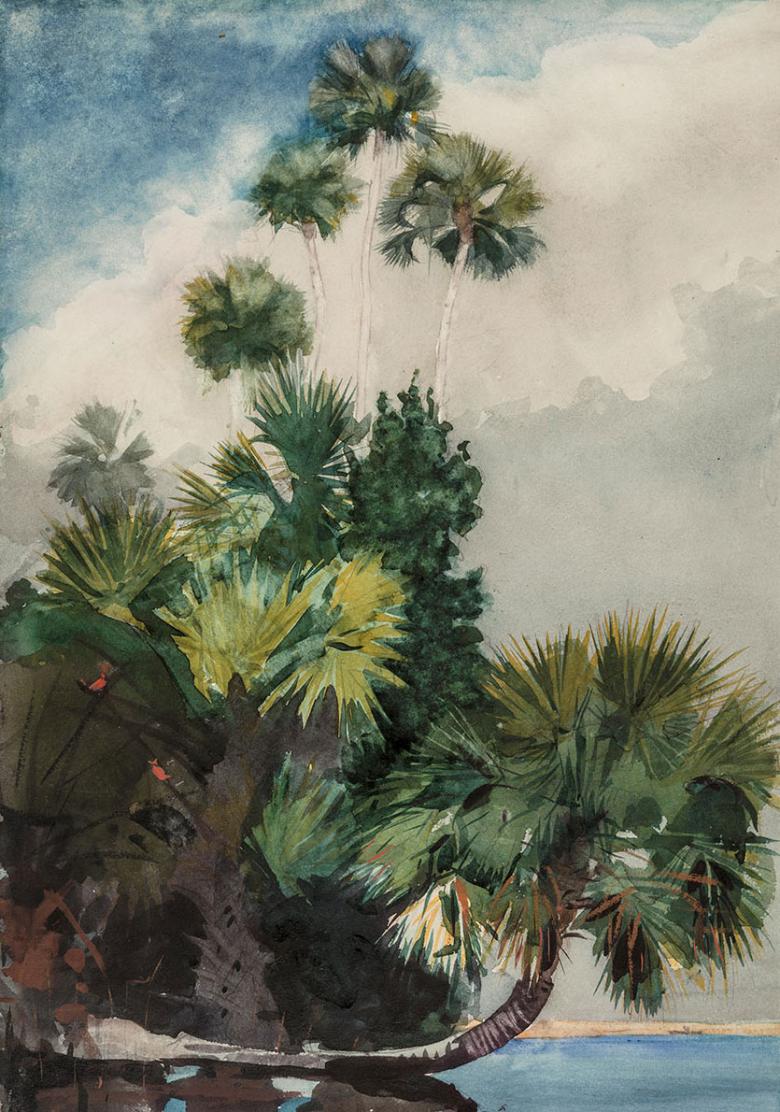
“Of Light and Air: Winslow Homer in Watercolor,” on view at the Museum of Fine Arts, Boston through January 19, 2026, reunites dozens of the artist’s most luminous watercolors — works so sensitive to light that many have remained in storage for decades. Drawn from the MFA’s unparalleled Homer collection, the exhibition traces his evolution from early childhood sketches to the final, unfinished painting on his easel when he died.
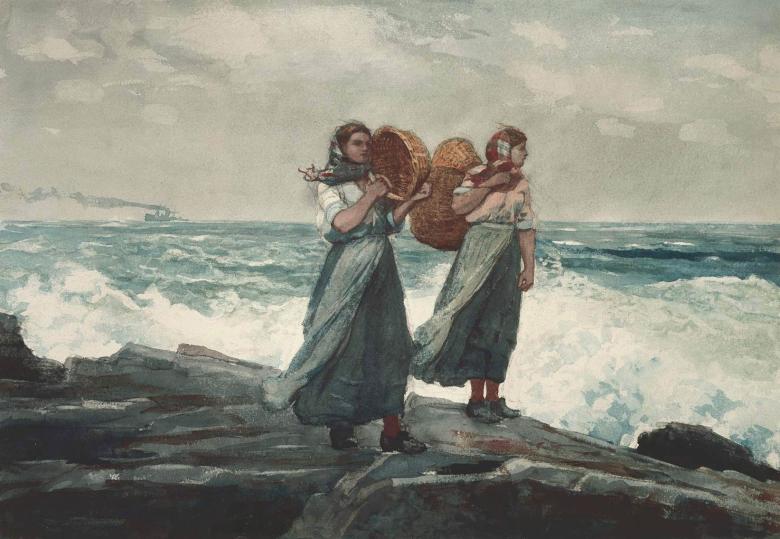
Visitors can follow Homer from the rocky coves of Prout’s Neck to the Adirondacks, from English fishing villages to the Caribbean’s bright shallows, witnessing the radical experimentation that transformed watercolor into a powerful, expressive force in American art. Alongside the watercolors, the show pairs oils, drawings, and prints to illuminate the ecological, artistic, and social environments that shaped his vision.
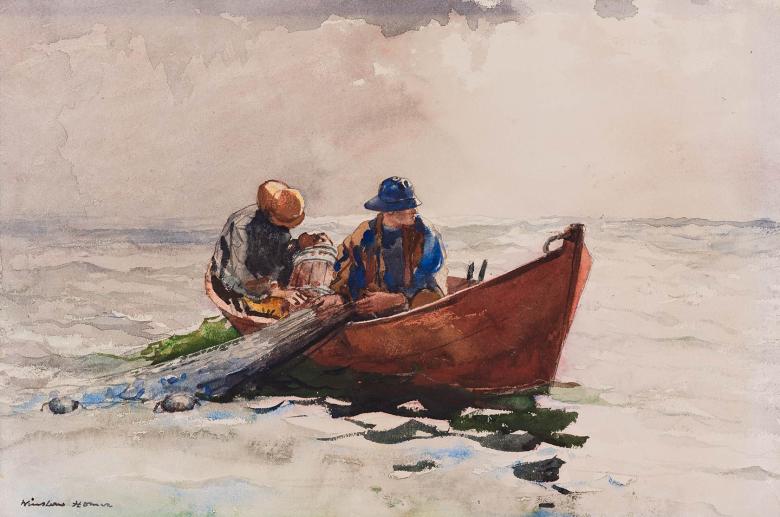
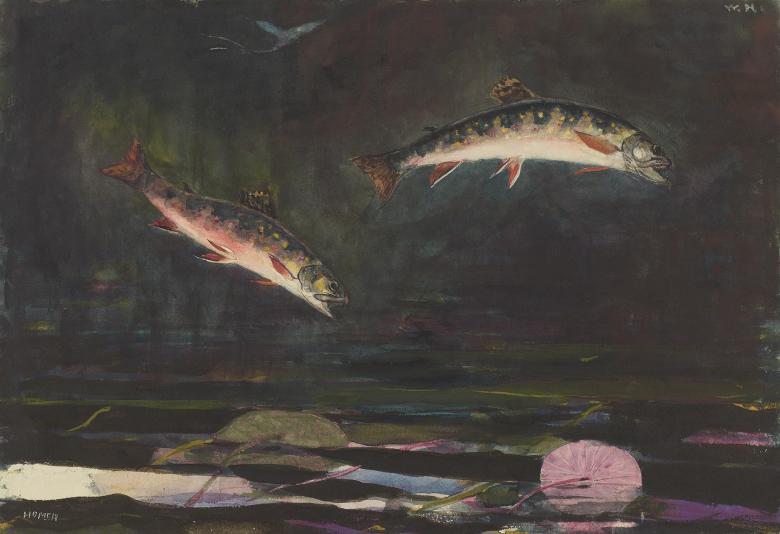
Henry James once said Homer painted with “an envelope of light and air.” This exhibition reveals just how true — and how revolutionary — that was.
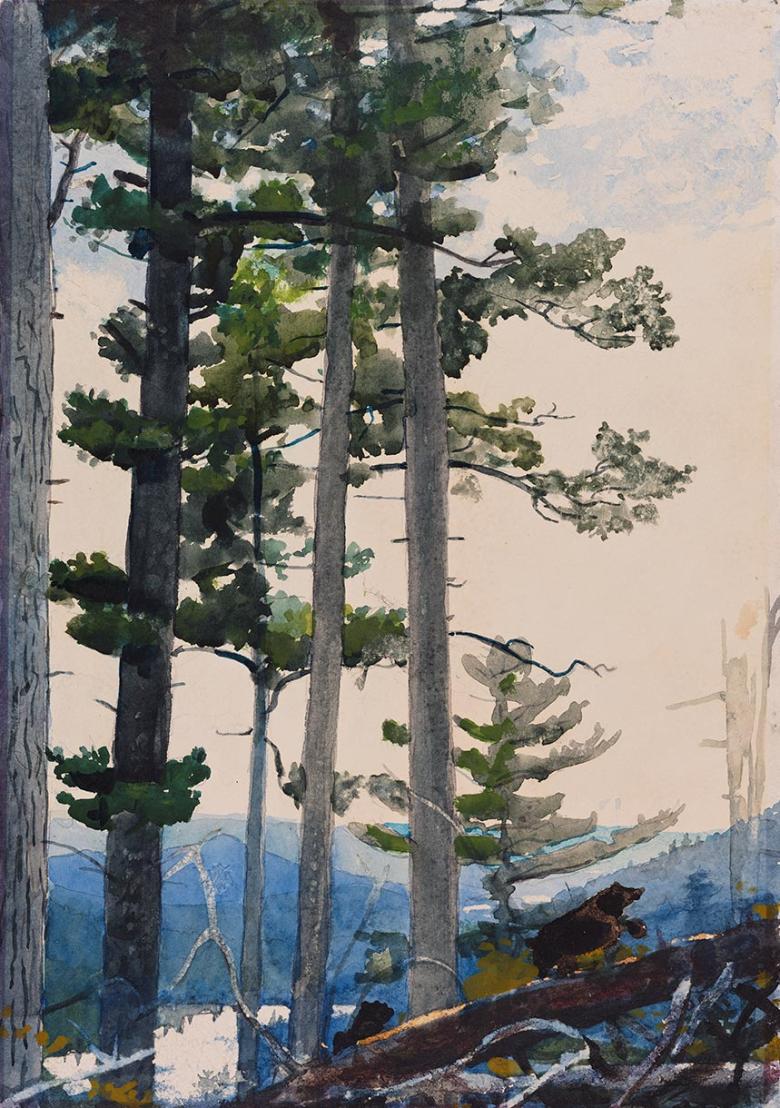
For watercolorists and admirers alike, this is a rare chance to stand before the works that changed the course of American painting, glowing once again in the light that inspired them.
Join watercolor artists around the world for a celebration of all that makes the medium unique and magnificent at Watercolor Live, January 21-23, 2026!