
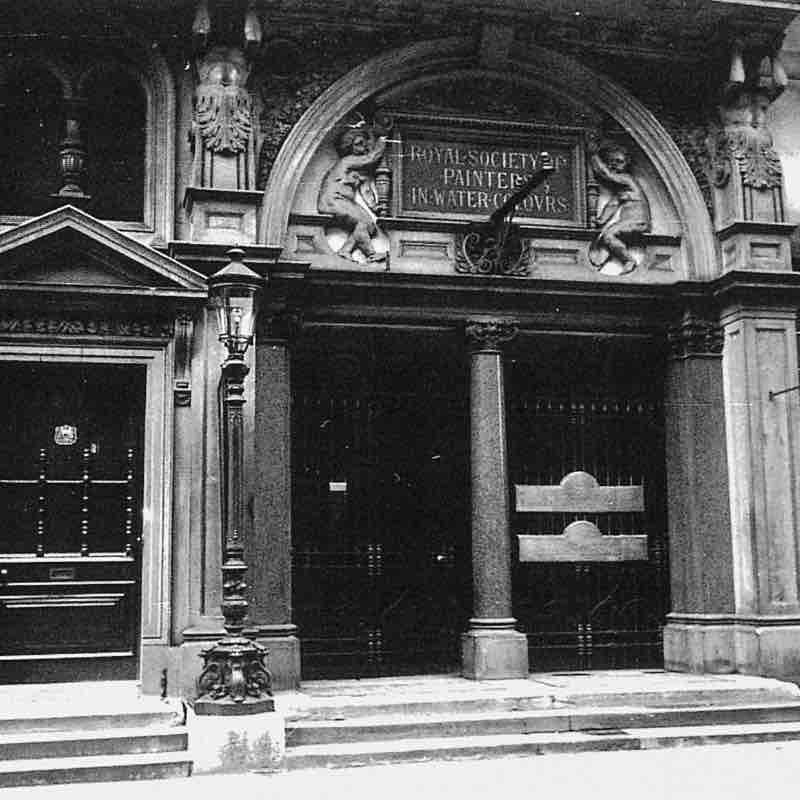
Watercolor’s rise as a respected fine art medium didn’t happen by accident — it was hard-won by generations of artists who refused to be sidelined. In one defining moment, a group of 19th-century English artists, frustrated by the Royal Academy’s bias toward oil painting, banded together to elevate their chosen medium. “Born out of a sense of grievance,” the painters held the first meeting of The Society Associated for the Purpose of Establishing an Annual Exhibition of Paintings in Water Colours on Friday, November 30, 1804, at The Stratford Coffee House on Oxford Street in London. Founding members included William Frederick Wells, William Sawrey Gilpin, and brothers John and Cornelius Varley. Through their efforts, the Royal Watercolour Society (RWS) was born, laying the foundation for the rise of watercolor societies around the world.
From those early days of rebellion and advocacy, watercolor societies have continued to shape the trajectory of the medium — not only by promoting excellence, but by fostering a sense of belonging. Across Europe and America, they’ve offered mentorship, mounted exhibitions, and preserved artistic traditions. Today, their role remains as vital as ever, helping watercolorists find their place in an ever-changing art world, while honoring the spirit of those who first demanded to be seen.
PLEIN AIR ROOTS
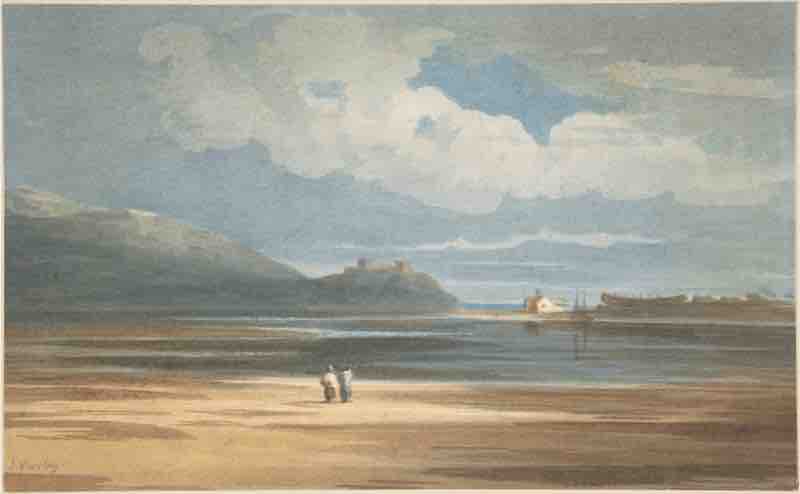
From the start, plein air painting has been woven into the identity of the world’s major watercolor societies. Their founders were not just studio artists but field sketchers and innovators, using watercolor’s speed and portability to capture the landscape firsthand.
In 1804, brothers John and Cornelius Varley were among the founding members of England’s Royal Watercolour Society. John, a prolific landscape painter and influential teacher, regularly painted outdoors, seeking to capture the changing moods of the countryside. Cornelius, a scientific-minded artist and inventor, devised a “graphic telescope” to aid in capturing accurate proportions while sketching directly from nature. Their shared dedication to field observation, technical innovation, and artistic instruction helped shape the society’s mission and laid the groundwork for its enduring role in “promoting, by example and education, the understanding, appreciation, and enjoyment of watermedia.”
Get world-class painting instruction from over 24 artists from around the globe at Watercolor Live, January 21-23, 2026 (with optional Essential Techniques Day on January 20th).